News

Jeremy Lucas Returns to the Ure

Our second visit of the year to the magical Ure at West Tanfield was right at the end of the trout season, though I was hopeful for the grayling being up, feeding on late season hatches. It has been so dry this year that it was hardly a surprise to find the river so low, and initially I was disappointed not to observe Pale Wateries and Blue Winged Olives.

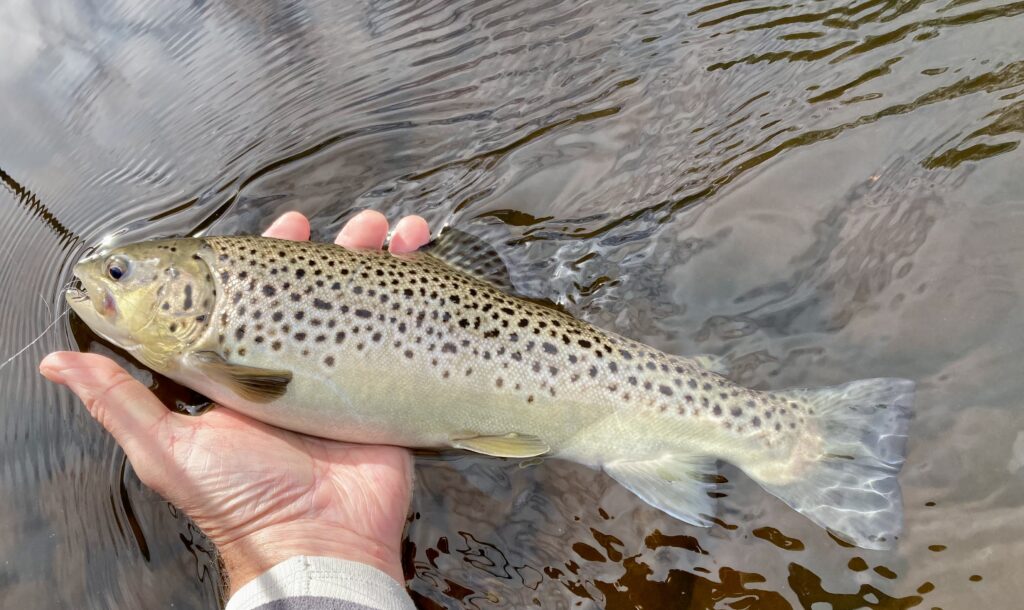
In the absence of rises I elected for a duo rig up at Mowbray for my first, short session. The trusty Oppo on a dropper and equally trusty Hydro Caddis jig on point, brought an immediate response to the nymph in the form of a stunning two pound plus trout. Soon after, I lost another and thought that would be the end of it, and would require a move. I find the Ure hereabouts very difficult to wade, on the slippery, uneven boulders, so decided instead to ‘work’ the run-in more methodically. There is room to manoeuvre here, even though it requires faith.

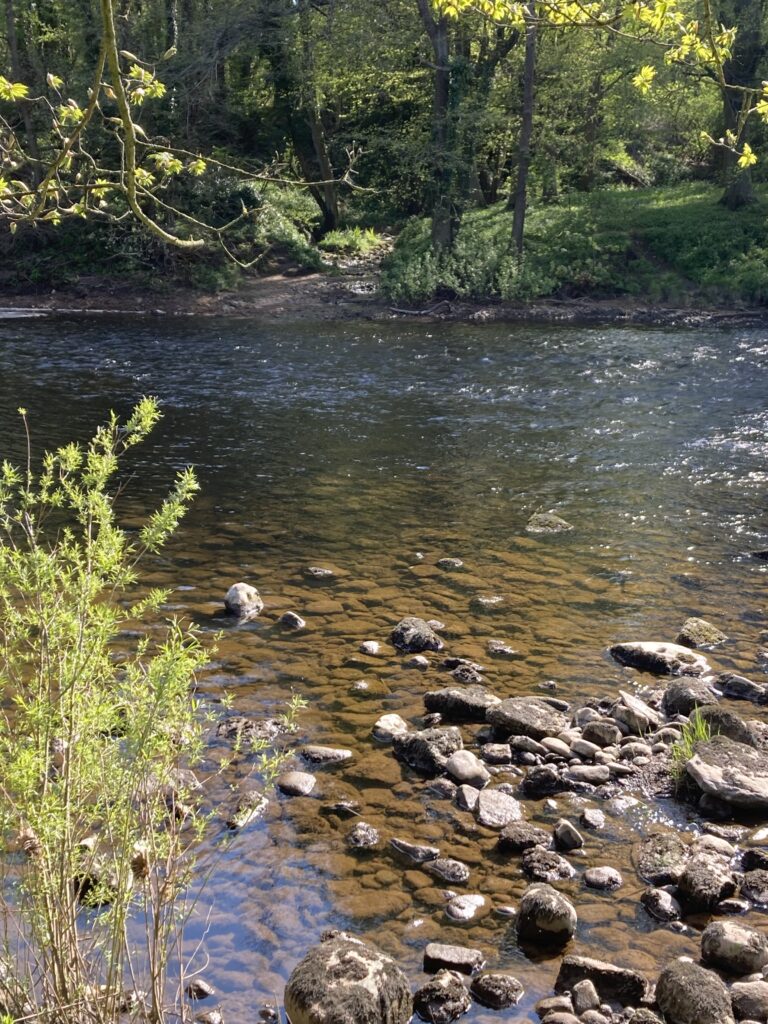
To be clear, this run-in breaks into the pool at Mowbray and forms a fan of fish-holding water, with a well defined (even in low water conditions) crease between the deeper, slacker water and the boulders and gravel on the far bank. The flow then forms a very distinct foam lane which extends far down the pool, close to the far bank, before dissipating over the deep water. In all, the ‘percentage’ water, where you might be expected to catch most easily, is long enough and requires very little movement of the feet. You should avoid moving too far into the pool, because the gravel suddenly gives way and you find yourself slipping down into the blackness. Rather, work yourself very slowly upstream, and fan cast to an extent so as to exploit all the drift possibilities.
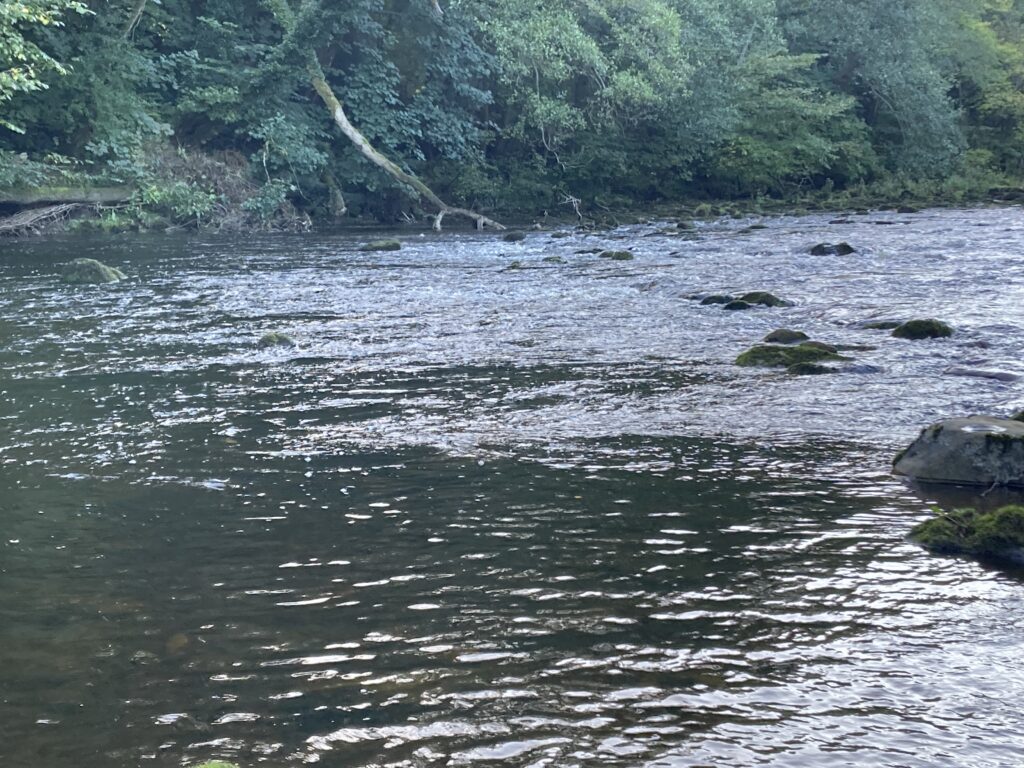
Faith was rewarded. Five more good trout on the Hydro and two grayling on the Oppo, all barely moving my feet, over a two hour period. I lost or pricked a further three or four fish, though this did not spook the rest of the shoal, which was something of a surprise. The lesson learned, or consolidated, though, was that if the water is right – where fish might be expected to be – then with the approach appropriate for the type of water, you can have confidence, and there is no point in moving on.

The next day, I explored the waters around Lower Island and Slee Ghyll. There were rises, although only a scatter of Pale Wateries. There were a lot of midges in the air, however, so I reasoned that these were what the grayling were taking. It was a day for dry fly on this open section of mainly flat water, and because of the tiny food forms I chose the size 20 Plume Tip.

These lower beats offer easier wading, but I moved very slowly, because it is all too easy to send bow waves out into the river and spook rising fish, even way beyond casting range. The shallow water is almost exclusively along the right hand bank. Here there is an almost continuous shoal of first year group grayling (and minnows). From about a third the way across the stream you can expect better quality grayling, with trout mostly close to the far bank, where there is considerable feature in the way of overhanging trees along with woody debris and boulders from the steep bank.

It was fascinating as I worked my way upstream, ‘mapping’ the water, finding grayling concentrated in some locations, with trout in others. The Plume Tip was devastating, and I experienced very few of the ‘fresh air’ rises that plagued me during my spring visit. There were also bursts of activity, when several fish came close together. These coincided with more Pale Wateries being seen. With the trout season drawing to a close, it was good to be able to better target the grayling with their distinctive, subtle rise forms.

On my final day, Robert dropped me off at Sandy Bed Stream towards the top of the beat. Here, I was utterly alone in this Scottish-like gorge and eager to find grayling. Like Mowbray, there is a distinct run-in here from the boulder field of Hell Hole above, and the water breaks over a sand and gravel bed, forming another distinct foam line. The wading is good here, mostly on sand, and I was able to spend the morning methodically searching the area. I had noticed a few caddis in the air, and also egg laying on the calm water towards the pool tail, so I put up a size 16 caddis-style Plume Tip.
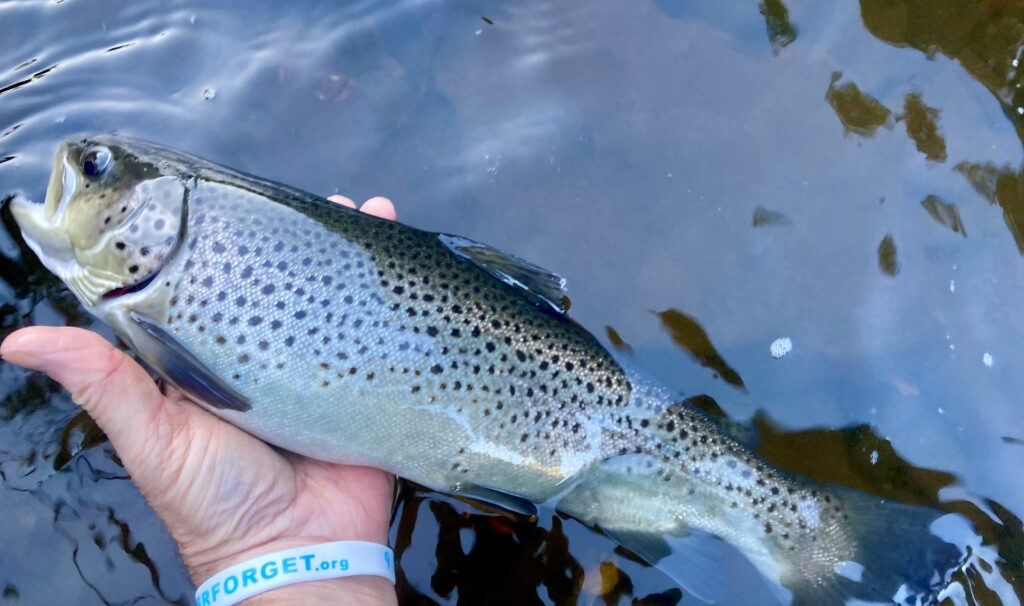
With very few rising fish to be seen it was again a matter of faith – putting an appropriate fly on the broken water and foam lines, where grayling are expected to be. And so it proved, with six grayling and a solitary trout. Interestingly, the trout came from near the pool tail, whereas the grayling were all from the run-in area; a lovely example of how there is minimal competition between these species for their habitat niches.

For three days, I fished alone, not seeing a single other angler, on water that was simply unpressured. I wonder how many members get out on the Tanfield beats through the grayling season. I strongly recommend it, however; this species gives the fly fisher a different and rich experience of the river. You might catch on dry fly throughout the winter, though a nymph approach will be more consistent. If you choose your water carefully, there will be little need to wade far out. This will keep you from disturbing the trout and salmon redds as well as considerably reducing the danger of deep wading.
Orvis Day

Rods, reels, lines, boots, waders, jackets, nets, you name it fly-fishers love them and as a result there is a lot of equipment on the market all claiming to be the latest and the greatest. It can be overwhelming at times, you buy a 9 foot 5 weight rod one week and the next week your being told you should have bought a 10 foot 3 weight!

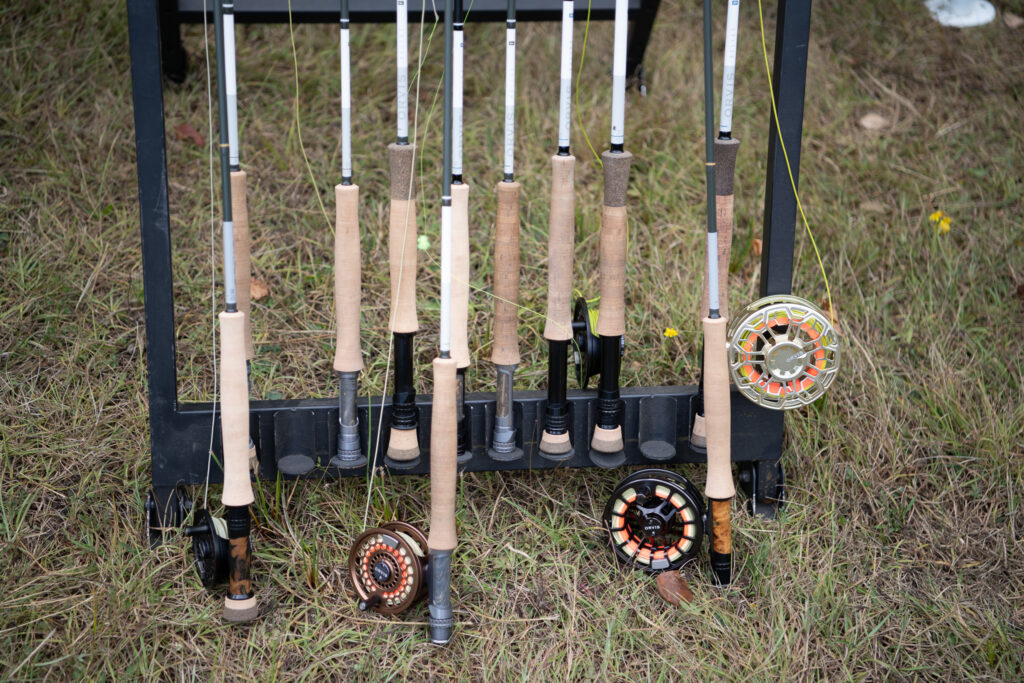
Fortunately Orvis understand that not all anglers are equal, they need to find out what works for them, at a budget they can afford and make their purchase with confidence. That essentially was what Orvis day was all about.

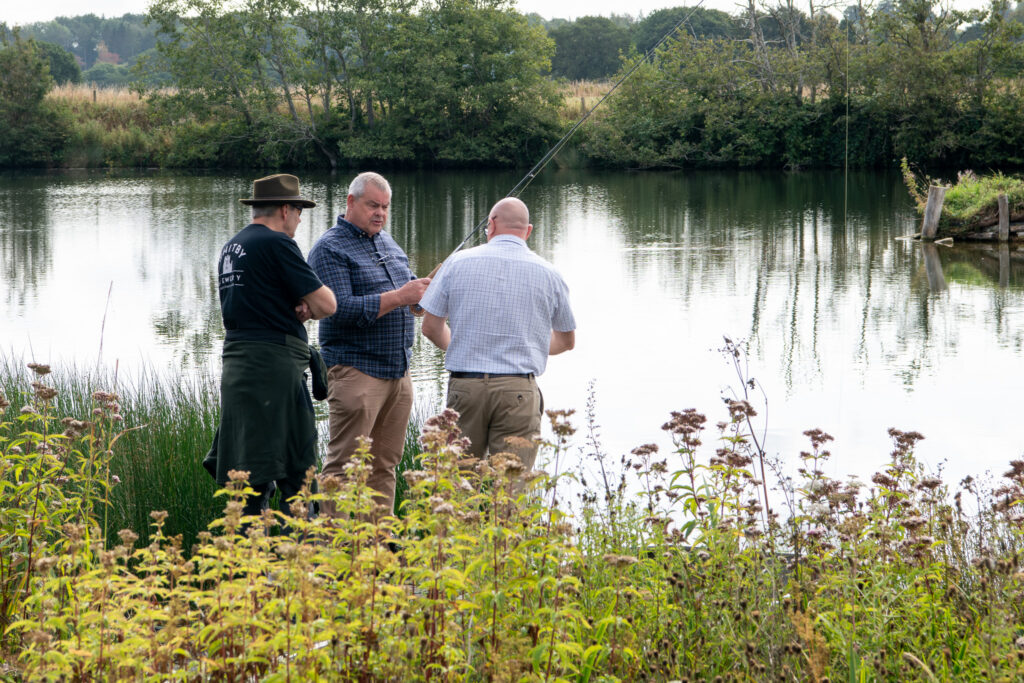
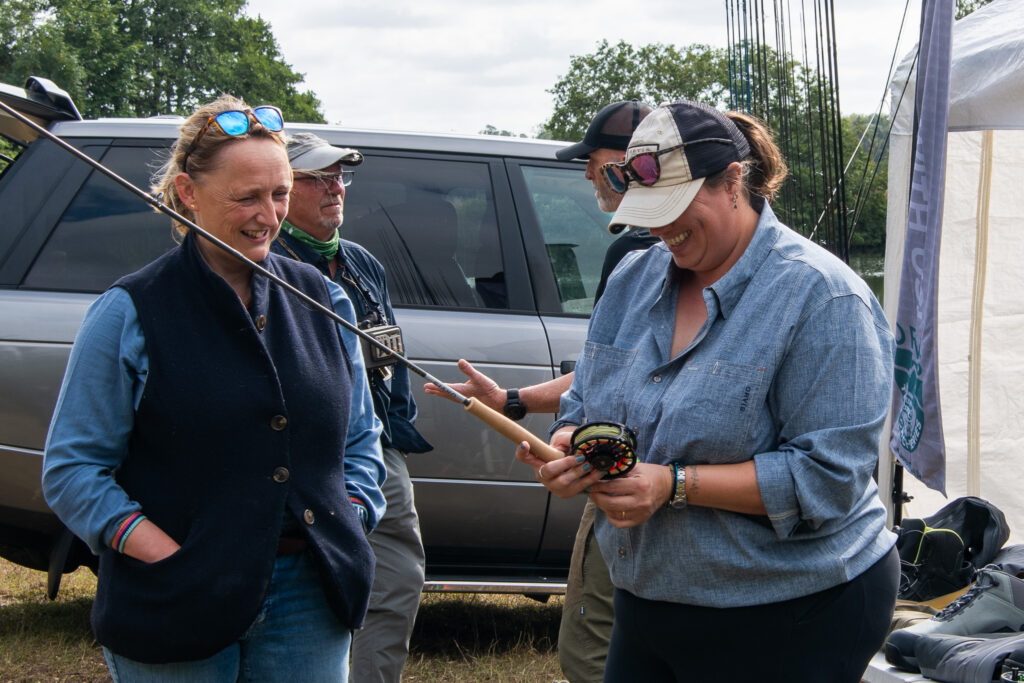
Orvis representative Rachel Brady (right) made sure everyone had an opportunity to try out the products on show and provided technical support.

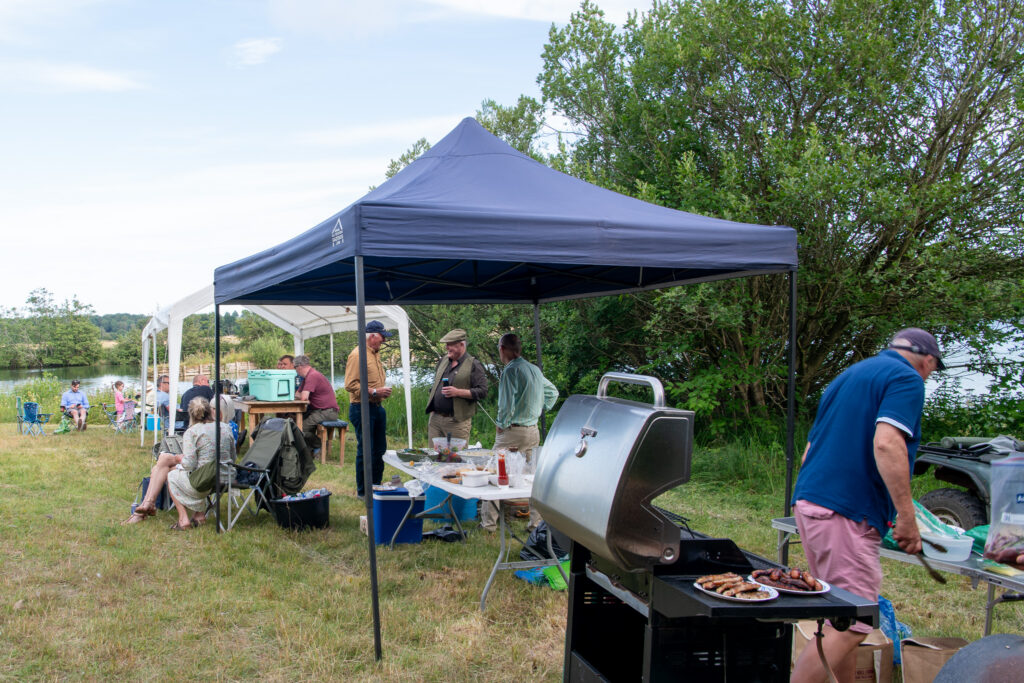
Members and guests enjoyed trying out the new Orvis range

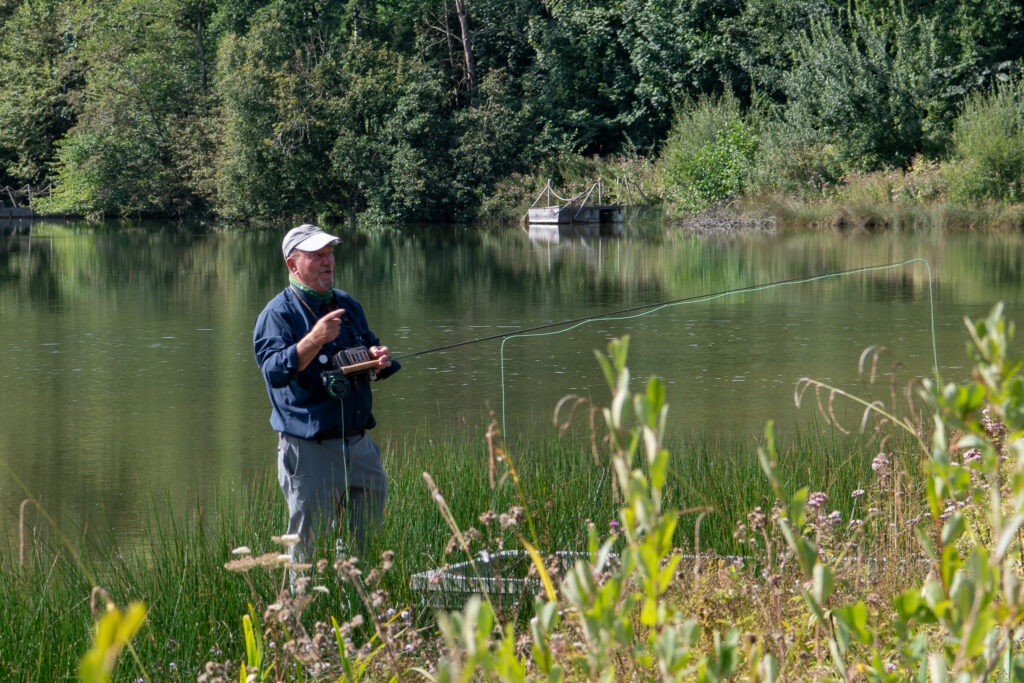
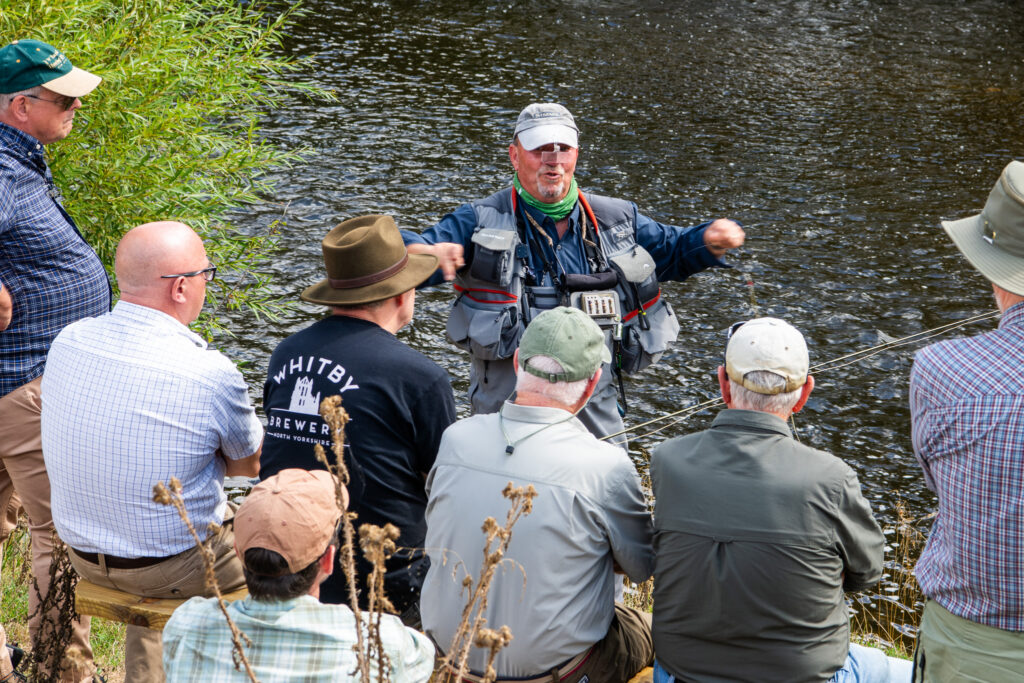
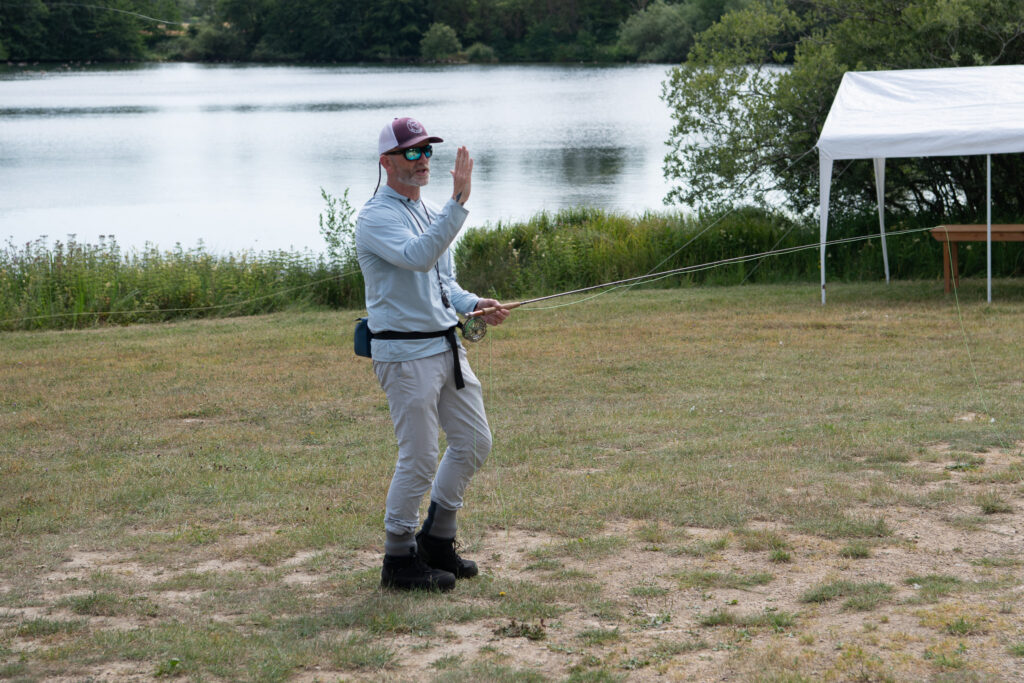
We were delighted to welcome Stuart Wardle of the Durham Fly-Fishing Company (www.durhamflyfishing.co.uk) back to Tanfield Lake. Stuart presented two sessions, the first was a casting session on the Lake and the second a live demonstration of river-craft on the river. Stuart is an engaging character, his enthusiasm is infectious and the content of his sessions was excellent. There was something for everyone, questions asked and questions answered.

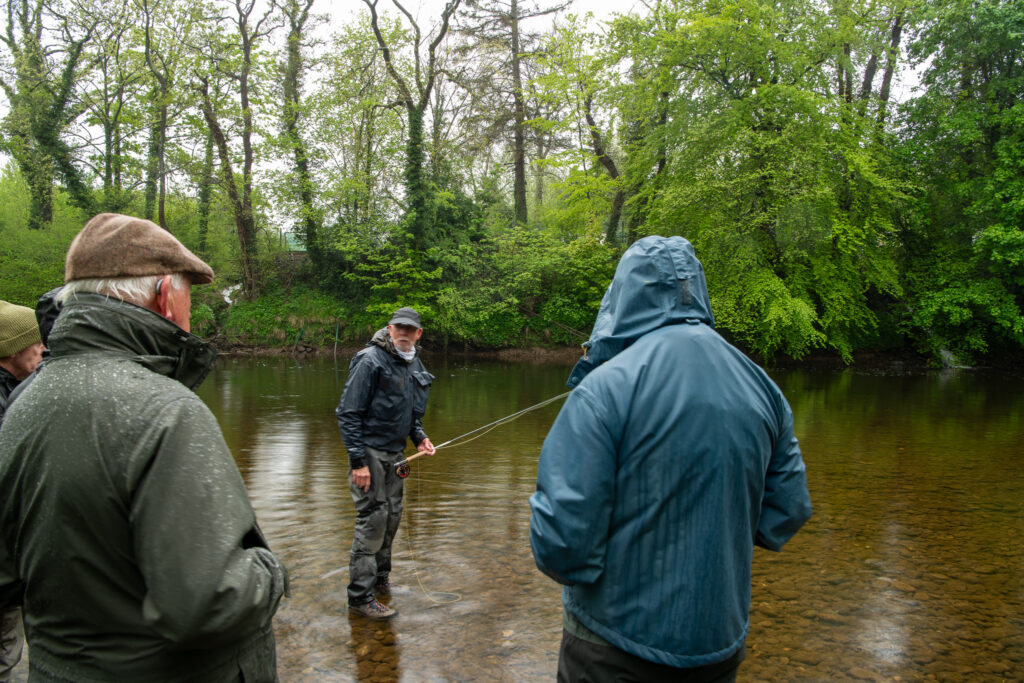
Stuart Wardle (www.durhamflyfishing.co.uk) second session was on the river

Thanks to everyone who attended, to Orvis, Rachel and `Stuart for an outstanding day and a reminder that fly-fishing is a wonderful sport where the big names never forget where they came from and life long friendships are built.

Tight lines!

Orvis Demo Day – Saturday 22nd August (non-members welcome)

On Saturday 22nd August we will be hosting an Orvis Demonstration Day at Tanfield Lake. We will be joined by the Orvis team who will bring along a range of rods and reels for you to try out and Stuart Wardle (Durham Fly-Fishers) will be running two technical sessions, one on the lake and another on the river.

Images photographed and owned by William Woodward

The day is open to members and non-members, £10/person (cash on the day), activities start at 10.00am – book your place by contacting secretary@tanfieldac.co.uk

Stuart Wardle (Durham Fly-Fishers) will be running two technical sessions

Take a Fly – Leave a Fly

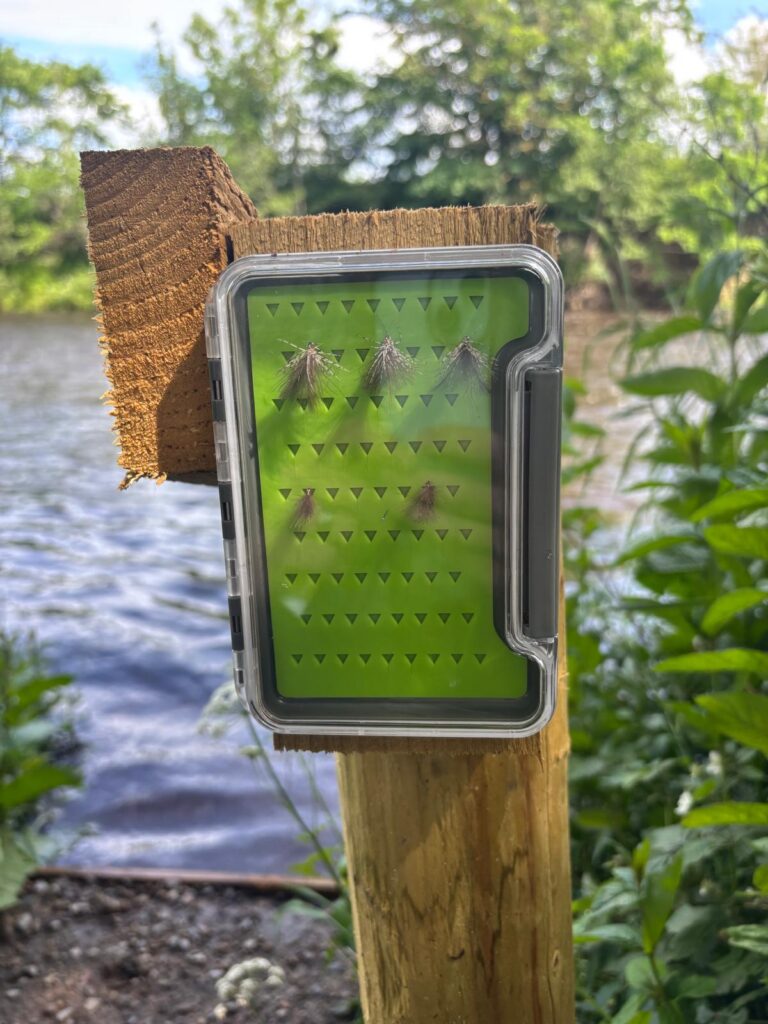
This week Robert, our River keeper, has been fixing fly boxes to the top of our new steps on various beats of the river. These boxes contain flies fished successfully on that particular beat and are there for you to try. When you move on, leave a fly that worked for you that day, so other members can try your fly and leave another.

Charles Jardine Masterclass

Charles Jardine returns to the River Ure!

This weekend Tanfield Angling Club hosted fly-fishing legend Charles Jardine for his annual masterclass. After a week of glorious sunshine it was not exactly a surprise that on this Bank Holiday Sunday it rained and rained and rained!

Of course, a bit of rain wasn’t going to dampen the spirits of our Members who turned out to listen, watch and fish with Charles.

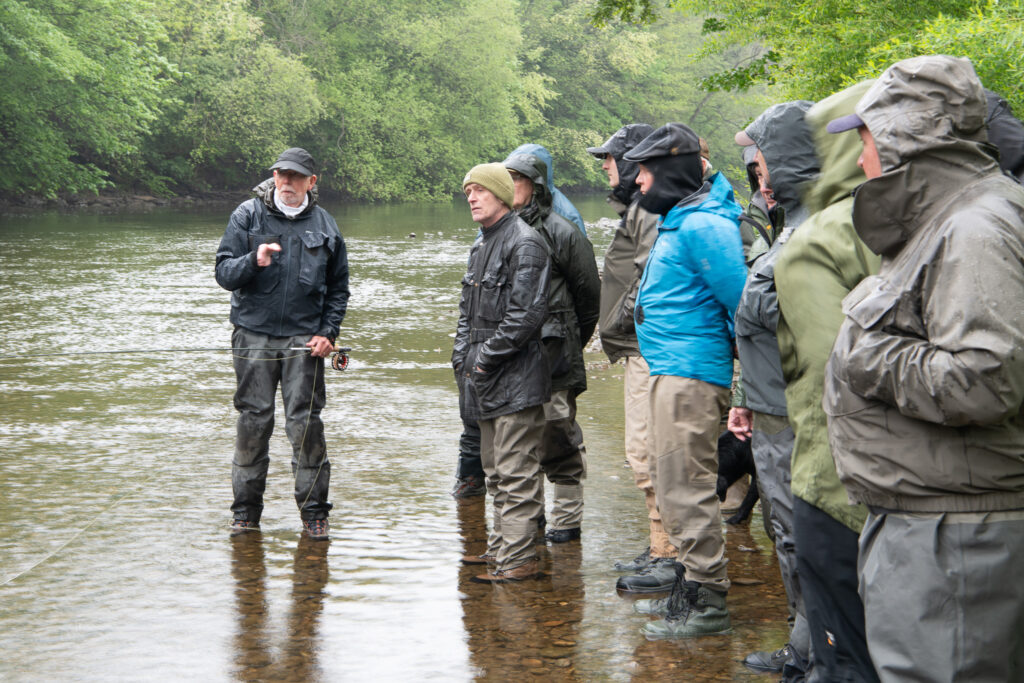
TAC Members hanging on Charles every word!

Charles is a very engaging presenter, he covered a number of subjects including casting, dry fly and spider set-ups followed by a lesson in river-craft and a demonstration of how to fish with north country spiders.

In the afternoon it was the members turn to fish with Charles working his way around the group offering advice. A number of fish were caught and everyone departed having experienced an excellent day on the river.

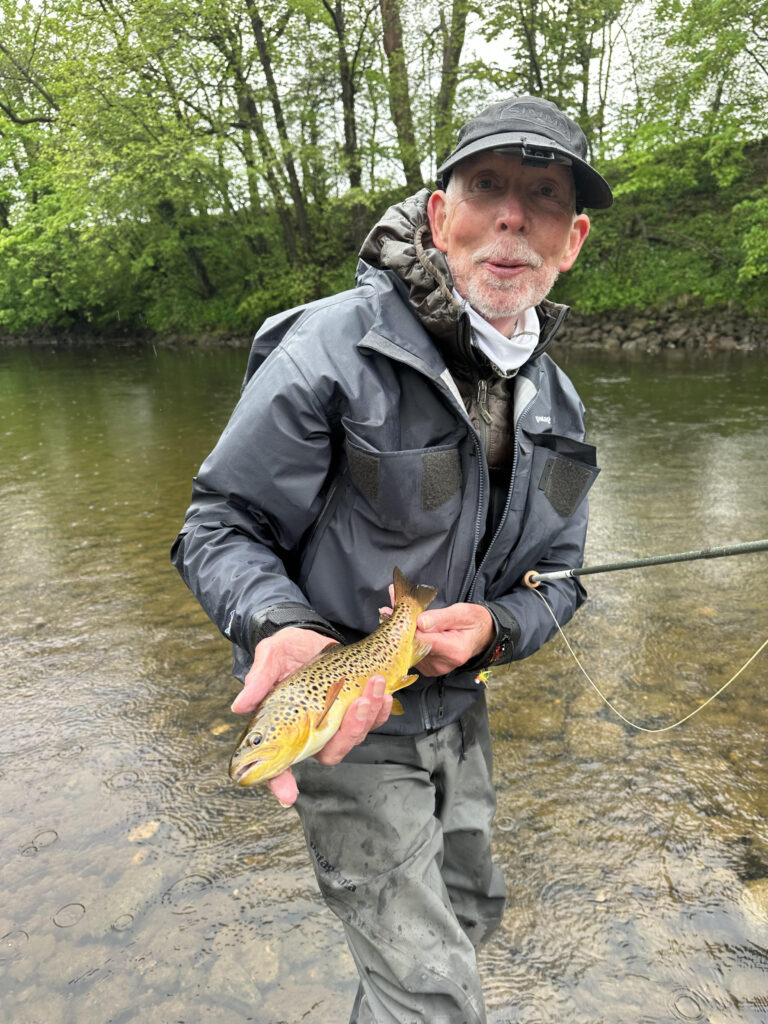
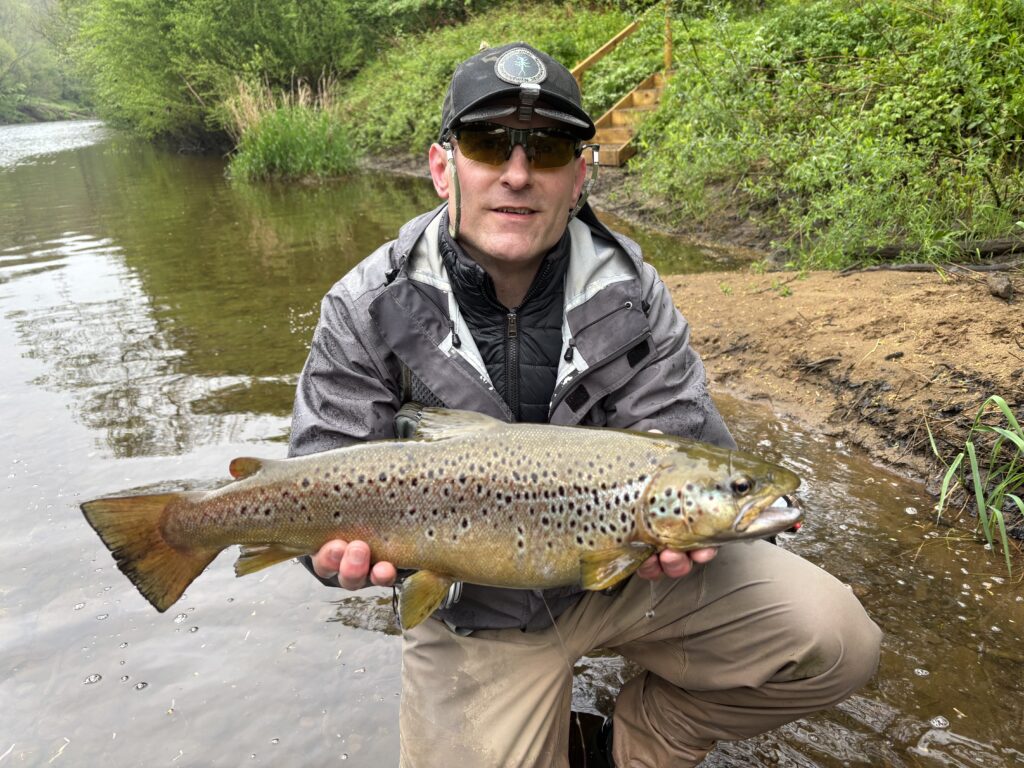
Karl Watson caught this beauty!

Our third Masterclass of the year will be with our old friend and local trout fishing legend Fred Bainbridge on Saturday 13th June. If you would like to book your place on this popular Masterclass series please contact secretary@tanfieldac.co.uk

Keeping Tanfield Tidy!

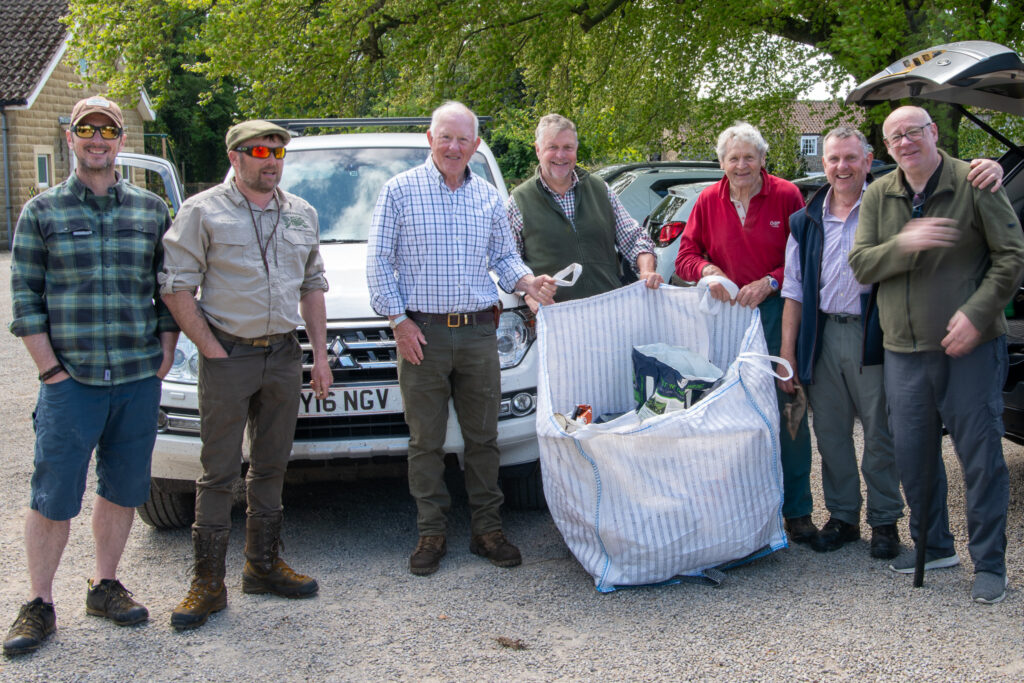
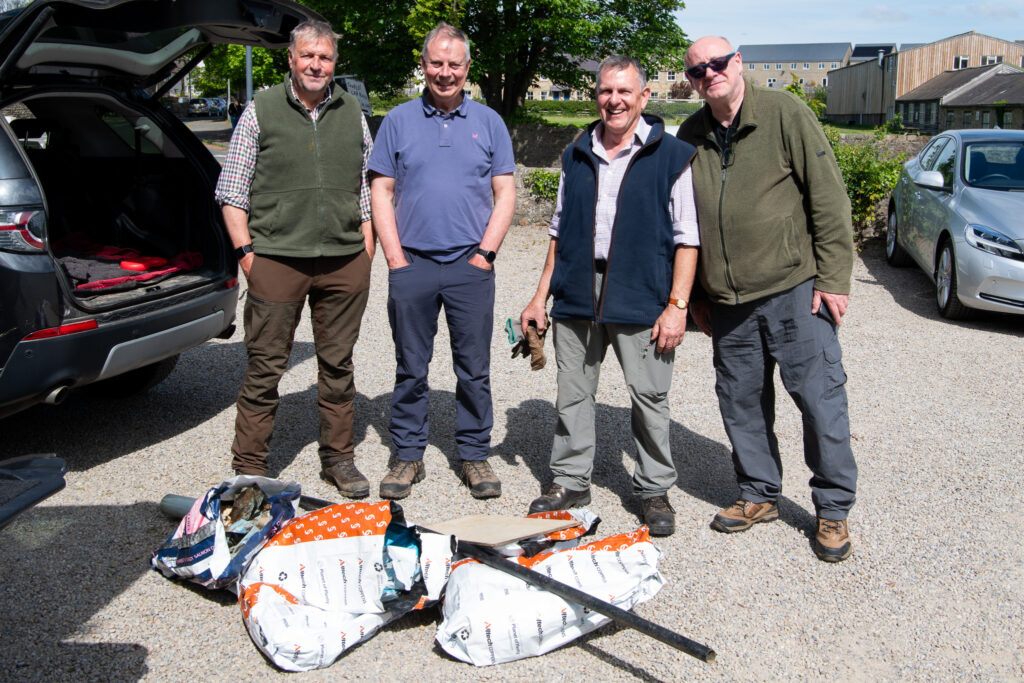
On Saturday 2nd May, TAC held our first working party of the season with a litter picking session along the banks for the River Ure. Meeting at the Memorial Hall, the team split into smaller groups and were allocated specific beats on the river to pick up any litter. There were a number of comments about ‘not having seen any litter’ but when you start to look its amazing what you find.

TAC President, Christopher Bourne-Arton joined TAC Members to pick up litter

Items of clothing, shoes, trousers and socks, lots of golf balls and of course black and blue plastic stuck in trees following recent flooding.

With their litter picking duties complete, the team moved to The Bruce Arms for a de-brief, refreshments and to share notes on where the biggest fish were rising.

Well done everyone, a good job. Lets continue to be vigilant taking our own litter home with us and removing any new litter found during our visits to the river.

Jeremy Lucas Returns to Tanfield

Through the immense kindness of my friend Robert Russell and the committee, I was invited for a return trip to the wonderful waters of the Ure at Tanfield. On the afternoon I arrived, Robert took me to the river at Slee Ghyll where there were a few fish rising, mostly in the shadows, on the glide. The river was not quite as low as we found it last year, although the almost unbroken sunshine, following cold nights, had suppressed the hatches. Even so, there were various midges and upwings in the air, with an occasional caddis. I noticed immediately, however, that the rises were to something invisible; possibly midges or black gnats.

I set up my usual simple dry fly rig (Sunray JL long head and 8’ of level 0.12mm Stroft on a 9’6” Greys Streamflex three weight) with a 20 plume tip. In one and a half hours, inching my way upstream, I caught several small grayling and three good trout, the latter resulting from tiny rises close to the overhanging trees, but which were all spectacularly active once the hook was set. What was fascinating, however, was that I rose far more fish than I actually hooked; the ‘fresh air rises’ that I have come to associate with the Ure, as nowhere else.

I was lucky that afternoon, because the session coincided with a reasonable, mixed hatch and consistent surface activity, even out over the exposed glide water. My friend, Malcolm, had fished downstream and had barely seen a rise all day, though enjoyed great success with a nymph.

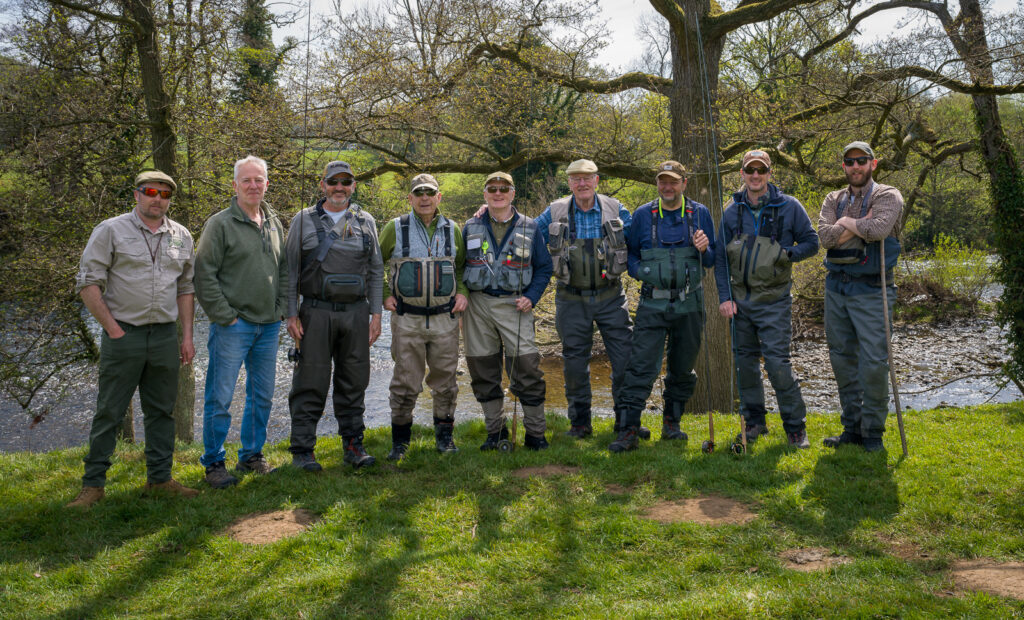
Jeremy Lucas (3rd from left) spent a day with Tanfield Angling Club Members

The contrast of the following day, up in the woods at Mowbray – or was it a gorge in Scotland or Norway? The bluebells, wild garlic and pink campion softened the slopes, and we did see a few upwing spinners and caddis in the air, though almost no rises on the smooth water (as we had seen this time last year, in abundance), so I focused on the fast water running into the long pool, with exactly the rig above.

One hour, and thirty rises later, produced six fish, all trout. Some of the fresh air rises were probably the same fish, rising multiple times until it was caught or pricked. All these were in a comparatively small area of fast water, requiring me hardly to move my feet. This is a good thing on the Ure, because I have found it rather difficult to wade here, with the rubber soled wading boots I have been using. A lesson learned, though; my next visit will see me with felt soled boots. Perhaps I might finally give way to the good sense of a wading staff.

My final day at Tanfield was spent with some of the members so that I might give some guidance as to my approach.  It was another bright day, following a cold night, and barely any insects on the water. I explained why I searched out the fast, broken water in these conditions, where fish might be expected to be – cover, oxygen and food. It was revealing that almost no fish were to be seen all day on the smoother glides and pools, while some members managed to rise and catch a few trout where we found the suitable water.

I revealed that time and again, it was fast water that had been most productive for me; places where the majority of anglers pass by. I discovered this many years ago, actually with spiders, but soon learned that dry fly is more consistent. I showed members my Oppo and plume tip variants, explaining how these have become the backbone of my fishing on any trout river in the world. I tried to impress more generally how a minimalistic approach, casting off the various myths and old sporting habits, in preference of a more analytical, instinctive assessment of the river, changes everything. If I were a fish, where would I be?

And here I am, now in Kent, and although I’ll soon be on my beloved chalk streams in northern France, I miss Tanfield so much. I feel so welcome there, completely at home. Thank you, Rob, Nigel, the members I met, the lovely staff at the Bruce Arms; I am already plotting my next visit. I need to reduce the number of fresh air rises, or rather increase the hook up rate, and I have much more that I would enjoy passing on to the members.

Jeremy Lucas Masterclass

On Saturday we held our first Masterclass of the season with one of our TAC Ambassadors, author and world-class fly fisherman Jeremy Lucas. It was a very special day for those in attendance, Jeremy also asked me to pass along his thanks and share with our wider membership an overview of the day.

‘We discussed and rationalised the water around us (Goose Island), assessing where the trout might be, and why. I presented the idea of water types and finding the most appropriate water for the prevalent conditions and for the method used in such water. I focused on the streamy, broken water, where fish always hold in bright summer conditions, which led to the tackle and approach most suited to this- dry fly. I showed my particular, simple, set up, including the plume tips that I use.

We also discussed other water, nearby, and the methods most suited to these, in the absence of a hatch – duo and nymph (on a leader rig). I suggested that these would be comparatively low percentage approaches, as would other methods, such as spider, or even indicator nymphing; entirely because so few fish remain on the glides in the conditions of the day.

I gave a brief demo of my approach, resulting in only a few ‘fresh air rises’, which I have found peculiarly common on the Tanfield waters. I told the members that the previous day I had caught eight trout, while having experienced over thirty rises to the fly.

Later, the members spread out on water from Sturdy’s up to Goose Island, seeking out the appropriate water with dry fly setup, and a few trout were caught, along with some fresh air rises. No hatch materialised, oddly, but members were able to see, I believe, that the broken water areas still provided the opportunity of fish’.

Thank you Jeremy, it was a pleasure to spend time with you this weekend, a fantastic experience for those in attendance.

2026 Masterclass Series (Places available)

Charles Jardine – Sunday May 3rd

Fred Bainbridge – Saturday 13th June

For further details contact secretary@tanfieldac.co.uk

Remembering The Tanfield Angling Club Centenary

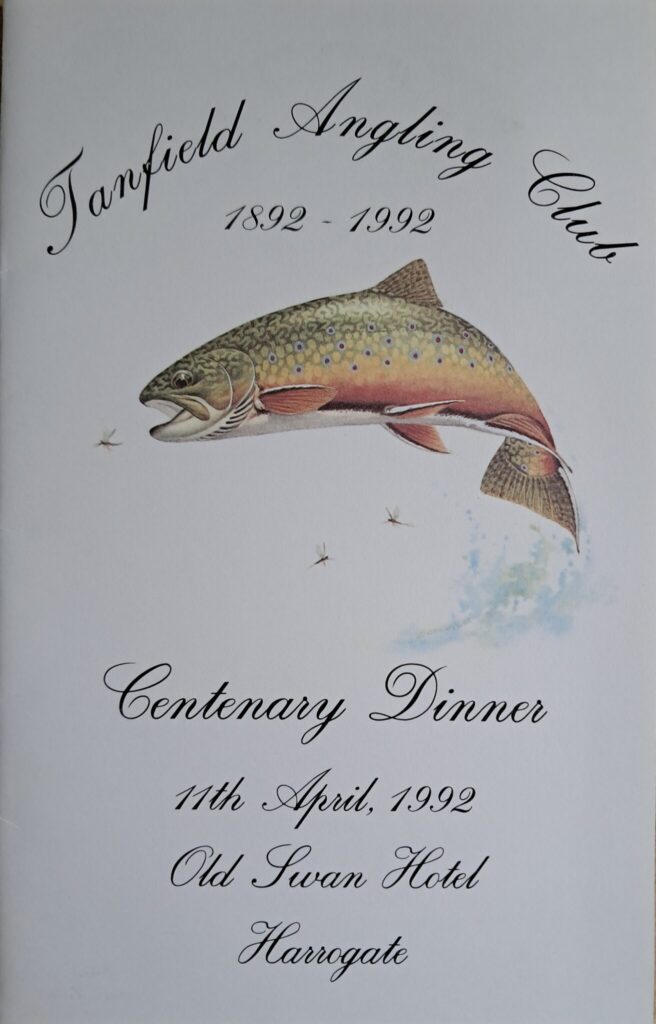
Nick Pinches continues his journey through the Tanfield Angling Club’s archive with a report on the TAC centenary dinner in 1992.

The Tanfield Angling Club was born on Tuesday 8th March 1892. The full article is now available in the Club History section of the website and a must read for those interested in the history of the Club.